Exclusive: Reserve to Consider Launching DTFs, Pausing RSR Unlocks
By Matthew
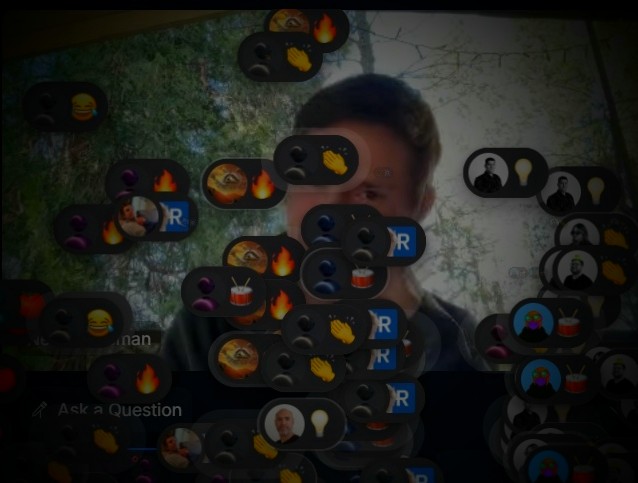
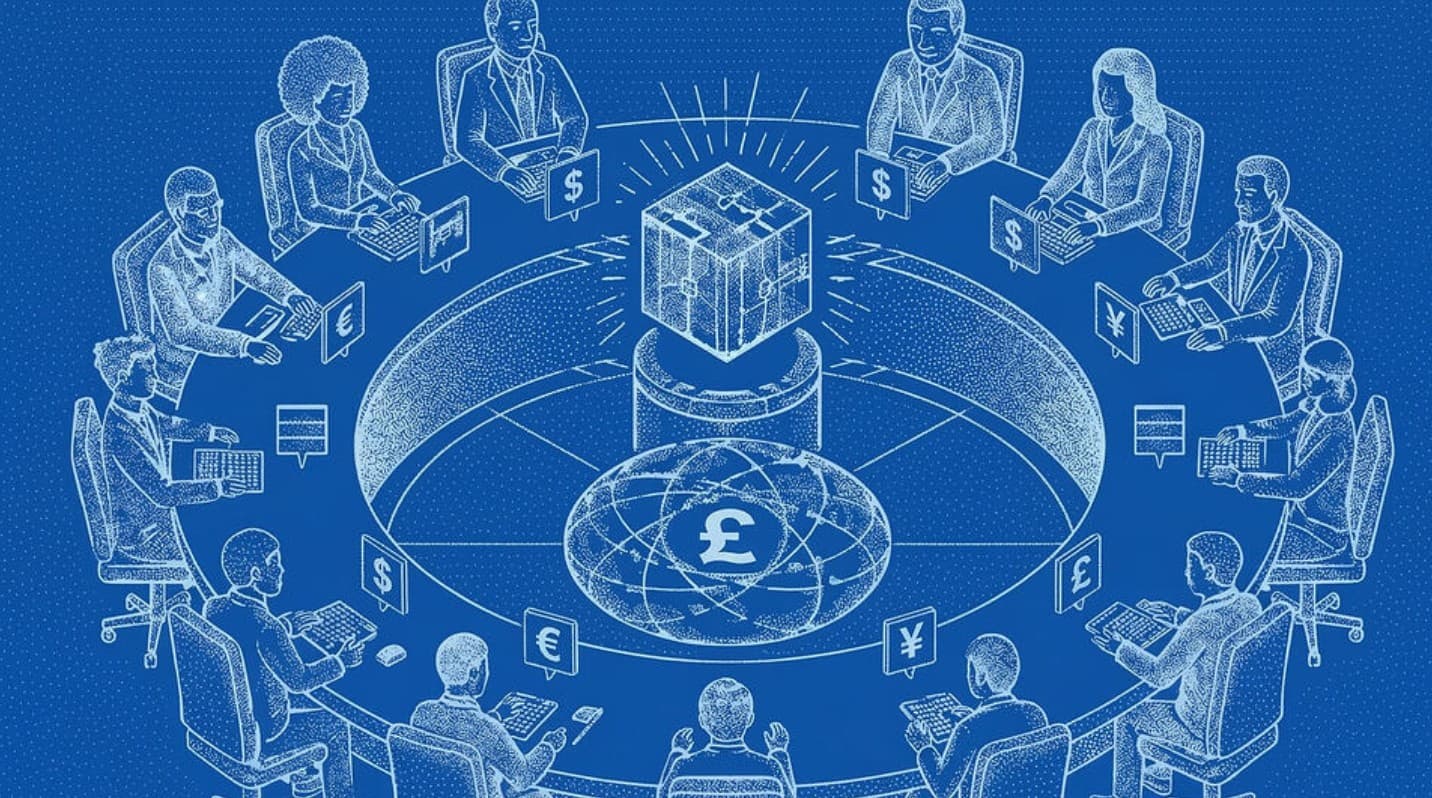
Reserve Protocol held its first Community Call of 2026 on January 15, outlining its vision for the future of DTFs and asset-backed currencies.
The virtual call, attended by 120 followers, saw Reserve co-founder Nevin Freeman discuss the next chapter of the decentralized protocol on which on-chain ETFs and stablecoins can be deployed.
Freeman reiterated the long-term goal of helping humanity by offering inflation-free currency, summed up as "Own your share of the world’s wealth.”
To get there, it starts with DTFs - decentralized token folios - which are the equivalent of on-chain ETFs, with the focus for 2025 on finding product-market fit for a variety of DTFs.
While CMC20 and LCAP DTFs, along with a handful of others, have found million-dollar market caps, they have yet to find the exposure and recognition that an ETF-analogue could be expected to reach.
Freeman will step back into running Reserve full-time (as opposed to splitting duties with the Digital Securities Initiative), focusing on DTF expansion as well as a tightened focus on protocol operations.
Some early decisions, which we can expect to hear more about in due course, include Reserve taking a more active role in launching DTFs - historically, the organization has preferred to provide the platform, but not the products - and providing a potential $18M treasury to help create and market them. For example, Freeman suggests this could give nine DTFs a $2 million war chest each to find their market.
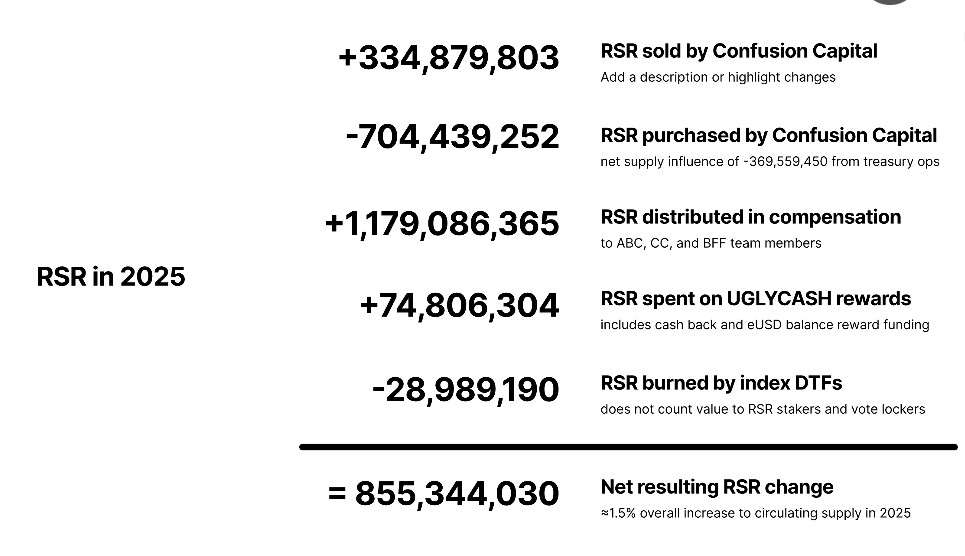
In news that will likely be received warmly by RSR holders, Reserve will temporarily pause "unlocks" of the protocol's governing token, acknowledging it has brought narrative challenges to the protocol.
But Freeman points out that supply realistically only increased by around 855 million RSR, or 1-2%, over 2025, rather than the "billions" that has become mainstream wisdom.
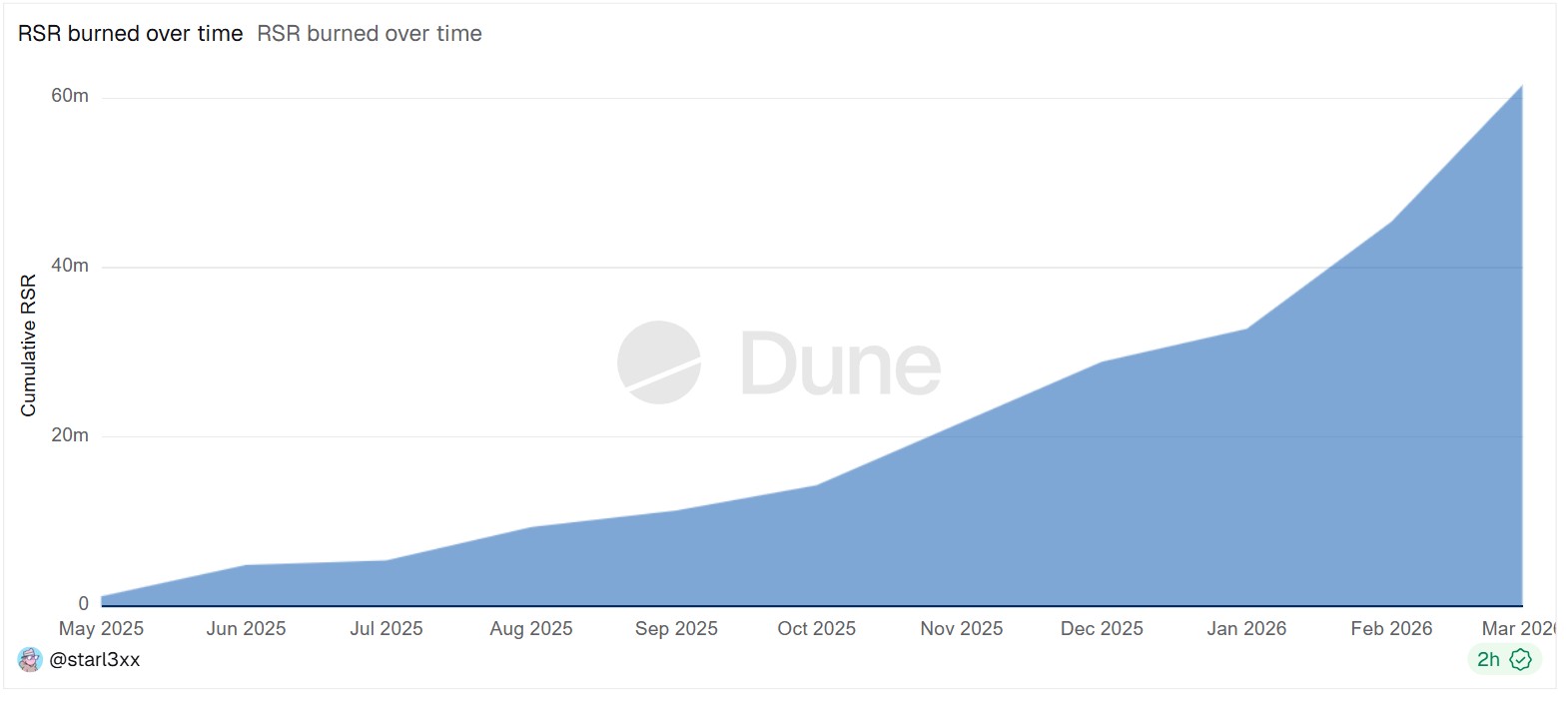
Ideas for future unlocks revolve around either unlocks on reaching key milestones, or burning 1 RSR for every unlocked RSR (which narratively simplifies and aligns the incentives between the team and the community).
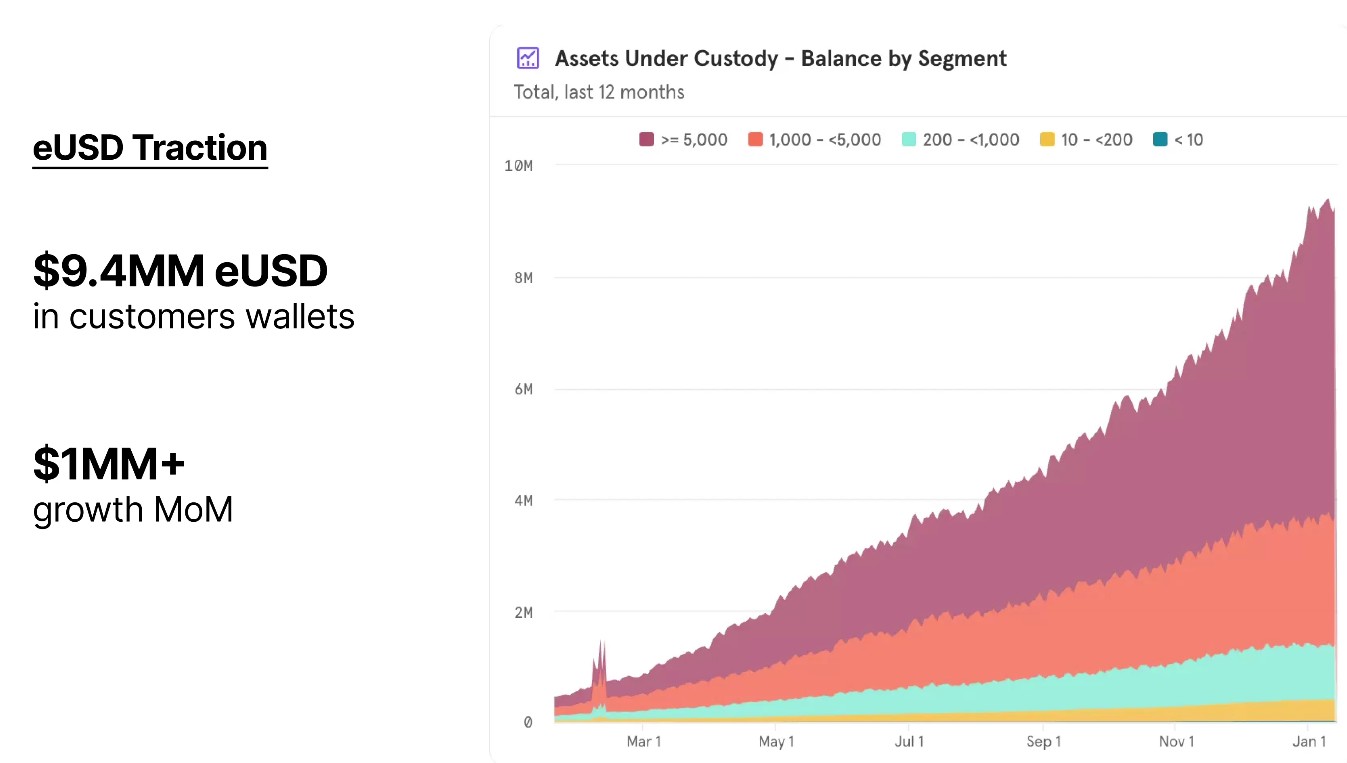
Meanwhile Ugly Cash, the app that centers around the eUSD stablecoin, has gone from strength to strength over the last 12 months, with leaders Gabriel "Gabo" Jimenez and Josh Furnas talking through the metrics.
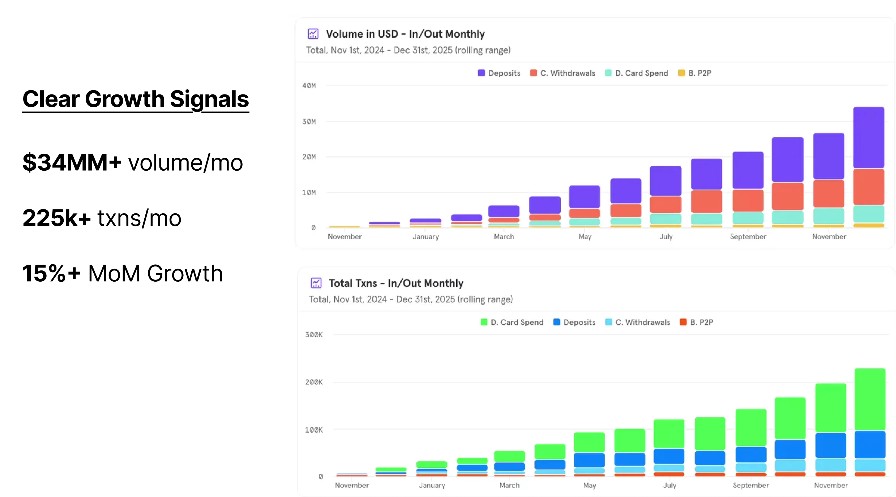
These include 15% MoM growth, more than $34M in monthly transaction volume, and more than $10M in eUSD held in company wallets, with a $1M growth MoM.
25% - 35% of new Ugly Cash users arrive through word-of-mouth, and the largest core audience is Gen Z or Young Millennials.
35% of weekly crypto buyers choose DTFs over BTC or ETH, suggesting that DTFs have found their market product fit in at least one financial app.

All in all, there has been a lot of ingredients brewing in the broth of Reserve over 2025, but it now looks like the project is ready to coalesce around its core components: DTFs, stablecoins, and FinTech integration.
Reserve News — Unofficial news about Reserve Protocol
Back to all articles
 ble currencies) on Reserve.