RSR Burn: How Much RSR is Burned Each Month?
By Matthew
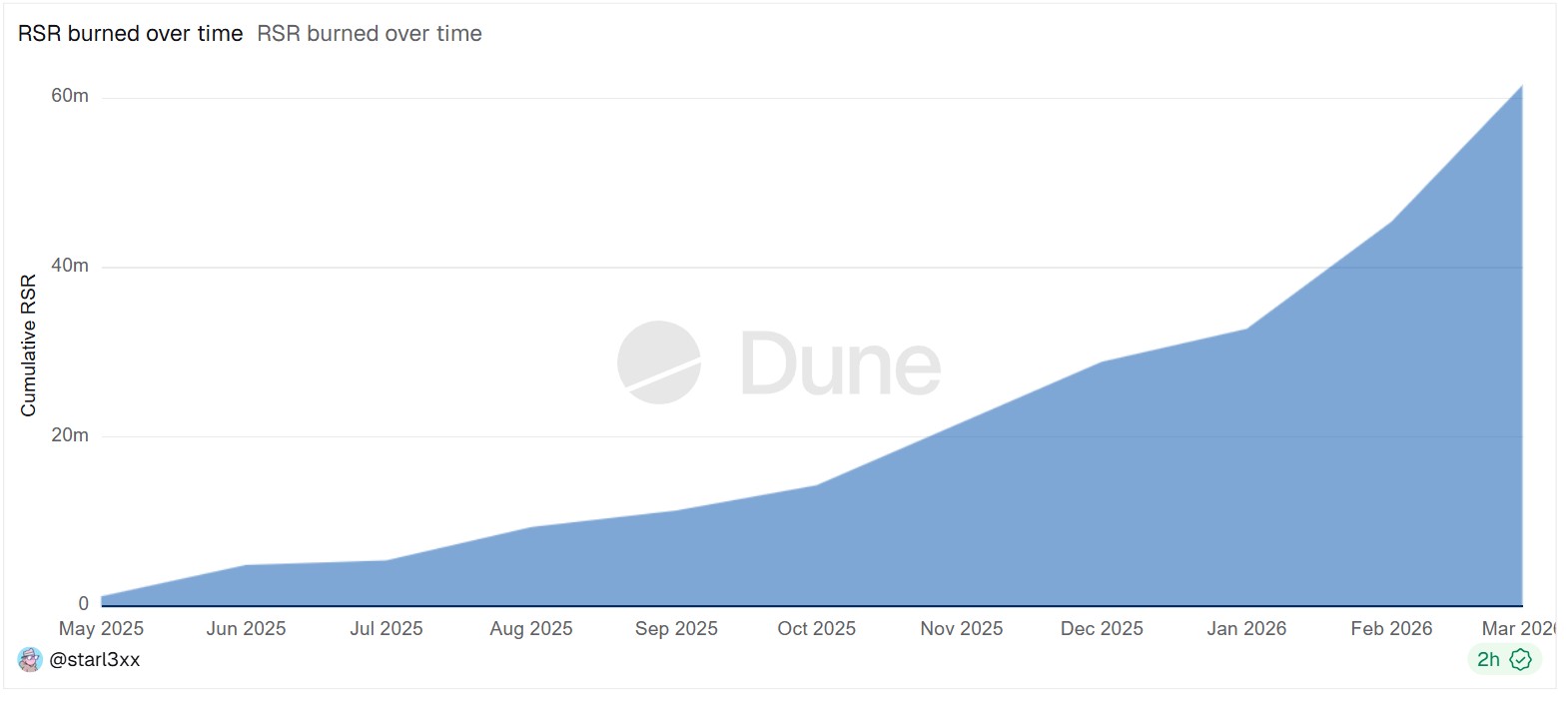
How much RSRs burn each month?
As a dollar amount: $96,629
|
Date |
RSR burned |
USD value |
|
Mar 23, 2026 |
16,096,854 |
25,223.77 |
|
Feb 20, 2026 |
12,674,832 |
19,861.46 |
|
Jan 23, 2026 |
3,903,976 |
6,117.53 |
|
Dec 21, 2025 |
9,829,776 |
15,403.26 |
|
Dec 1, 2025 |
4,744,733 |
7,435 |
|
Oct 21, 2025 |
2,975,478 |
4,662.57 |
|
Sep 25, 2025 |
1,965,638 |
3,080.16 |
|
Aug 22, 2025 |
1,182,789 |
1,853.43 |
|
Aug 3, 2025 |
2,734,623 |
4,285.15 |
|
Jul 25, 2025 |
527,802 |
827.07 |
|
Jun 20, 2025 |
3,746,598 |
5,870.92 |
|
May 20, 2025 |
1,281,683 |
2,008.40 |
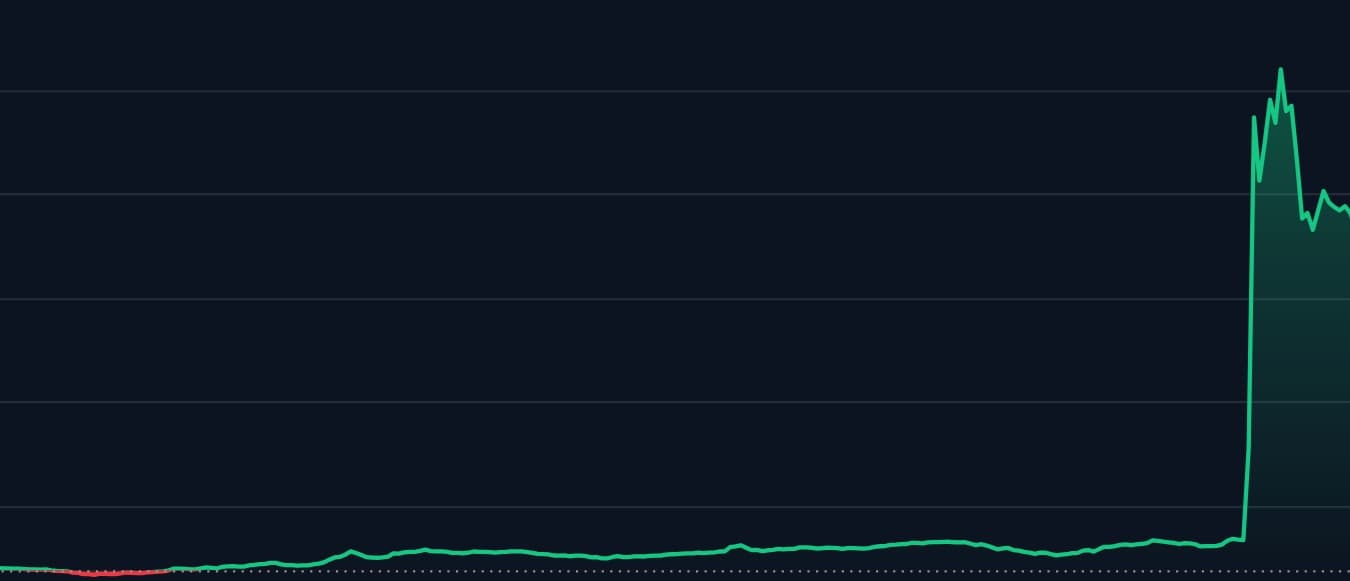
As a TLDR, the burn rate scales with TVL, not speculation. A larger index base (more capital sitting inside CMC20, BTC-focused baskets, or thematic portfolios) translates into a higher dollar value of fees, which in turn translates into more RSR being bought and burned.
The RSR Burn Mechanics: Explained
The mechanics sit inside a broader design choice: Reserve Protocol is trying to tie token economics to real protocol revenue. The RSR token serves as collateral and governance for the Reserve Protocol, and its role inside decentralized token folios has expanded alongside the protocol’s evolution.
What began as a stability-first system now leans into index products and yield-bearing RToken structures, with fees flowing back into the reserve ecosystem in a way that directly affects circulating supply.
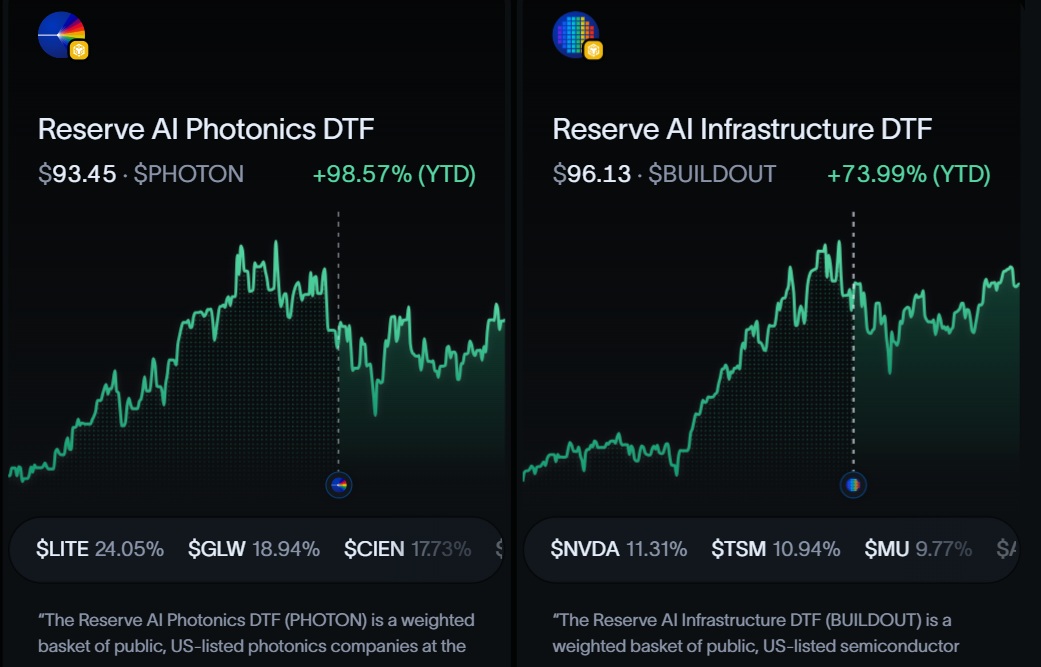
Once a month, the revenue from each Index DTF is gathered, and then used to buy and burn RSR. The assets collected, whether from management fees or minting, are routed through an decentralized exchange, converted into the Reserve Rights token, and sent to a burn address.
That process reduces the total supply over time, creating deflationary pressure tied to usage. It’s not a fixed schedule, and the revenue generated depends on adoption, TVL, and how much capital flows through each chain where these products are deployed.
For RSR holders, the model is designed to align long term holders with the protocol’s success. As more capital enters Decentralized Token Folios, the fee base grows. That increases buy pressure on the RSR token while removing units from circulation, a dynamic that aims to offset sell pressure during weaker periods.
The idea is simple enough: more usage leads to more token burn, which in turn can increase scarcity and influence long term value, even if short-term price impact remains uneven.
Governance is part of that mechanism, with RSR stakers influencing risk parameters, vote on governance proposals, and shape how fees are structured or distributed. Governance weight is tied to stake, which means those committing capital have a direct role in maintaining stability and setting insurance buffers across the system.
This governance model has already been tested through changes to fee splits, collateral baskets, and the handling of protocol revenue.
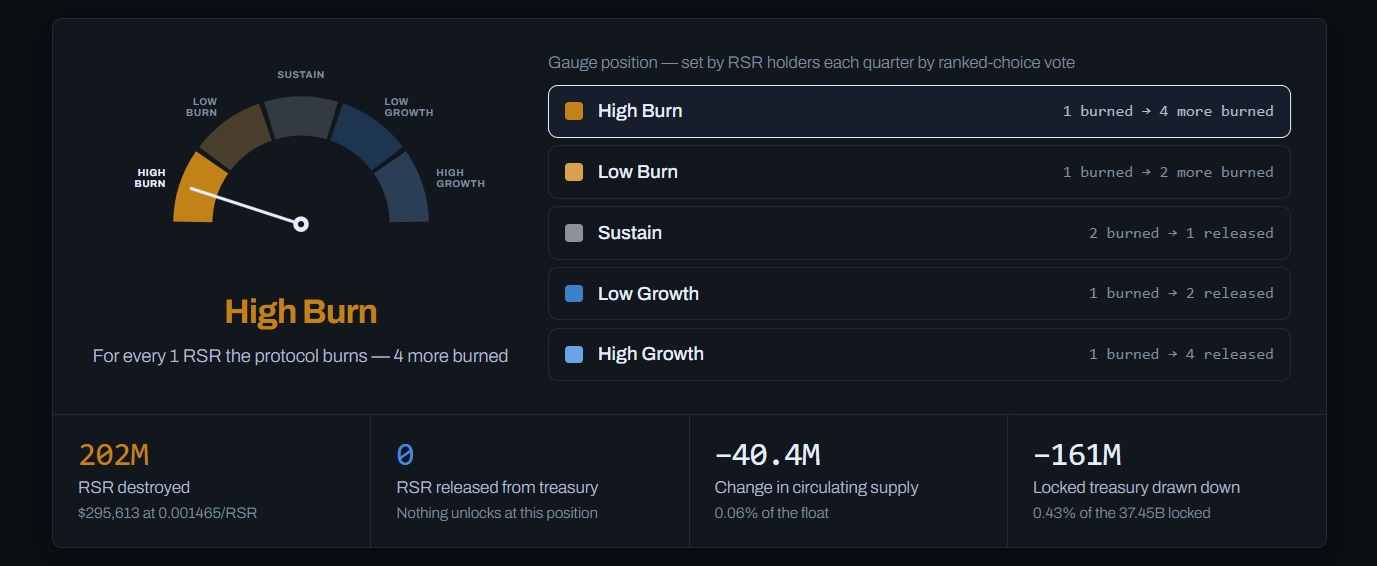
There’s also an growing conversation around a more explicit burn proposal. While the current system already reduces supply through fee-driven buybacks, some members of the community have discussed whether a larger portion of revenue should be directed toward increasing token scarcity more aggressively in a new governance model, potentially prioritizing burn over other uses like incentives or insurance buffers.
For now, the balance remains dynamic, with governance proposals adjusting how revenue is allocated as the protocol moves forward.
If adoption of the products grows, particularly those generating yield through integrations with platforms like Curve Finance, the portion of revenue feeding into buybacks increases. Over time, that can reduce circulating supply in a way that reflects real economic activity rather than artificial constraints.
For discerning investors, it is less about immediate profit and more about whether the system can maintain demand. The main goal is to create a situation where usage drives revenue, revenue drives burns, and burns reinforce scarcity.
If that holds, it strengthens the project’s future. If it breaks (if adoption stalls or yield dries up) the burn mechanism becomes less relevant.
It is a structure that aims to connect governance, revenue, and supply in a way that rewards participation and allows holders to earn rewards through staking and influence. This is not financial advice and whether it succeeds depends on the community, the pace of adoption, and how effectively RSR holders continue implementing changes that keep the system competitive.
Call it an introduction to a different kind of token model: one where scarcity is earned, not declared, and where every burn is the result of activity on-chain rather than a line in a whitepaper.
If you want to track the burn yourself, there is a Dune dashboard by Starl3xx
Reserve News — Independent news about Reserve Protocol
Back to all articles