ETH+ Expands Liquidity in Q1 Rebalance, Adds Tulipa Vault on Lagoon
By Matthew
ETH+ (ETHPlus), an RToken built on the Reserve Protocol, has completed the first phase of its Q1 2026 rebalance, which increases its redemption capacity without altering its yield or diversification profile.
The rebalance, executed on January 27, depleted just 15% of the backing buffer during implementation. Yield distribution to ETH+ holders and RSR stakers continued uninterrupted throughout the process.
More consequential is the change in execution depth. Following the rebalance, ETH+ mints remain below a 0.5% slippage threshold beyond 50,000 ETH. Redemptions now stay under that same threshold up to 22,500 ETH. Under the original basket configuration, redemption slippage crossed 0.5% at roughly 5,250 ETH.
With ETH+ supply currently around 35,000 ETH, the new structure means a significant portion of the outstanding supply can be redeemed with limited price impact. The next step in the Q1 rebalance, which has passed an internal proposal review, will push that threshold further. The proposed adjustment reduces rETH and sfrxETH exposure by an additional 5% each and increases weETH by 10%. If executed, redemptions could remain below 0.5% slippage up to 30,000 ETH.
At current supply levels, that would imply roughly 85% of ETH+ could be redeemed with minimal price disruption, and it will also create headroom for expansion. Based on current mandate constraints, the supply could scale toward approximately 150,000 ETH (about $300 million at current prices) before breaching its internal compliance parameters.
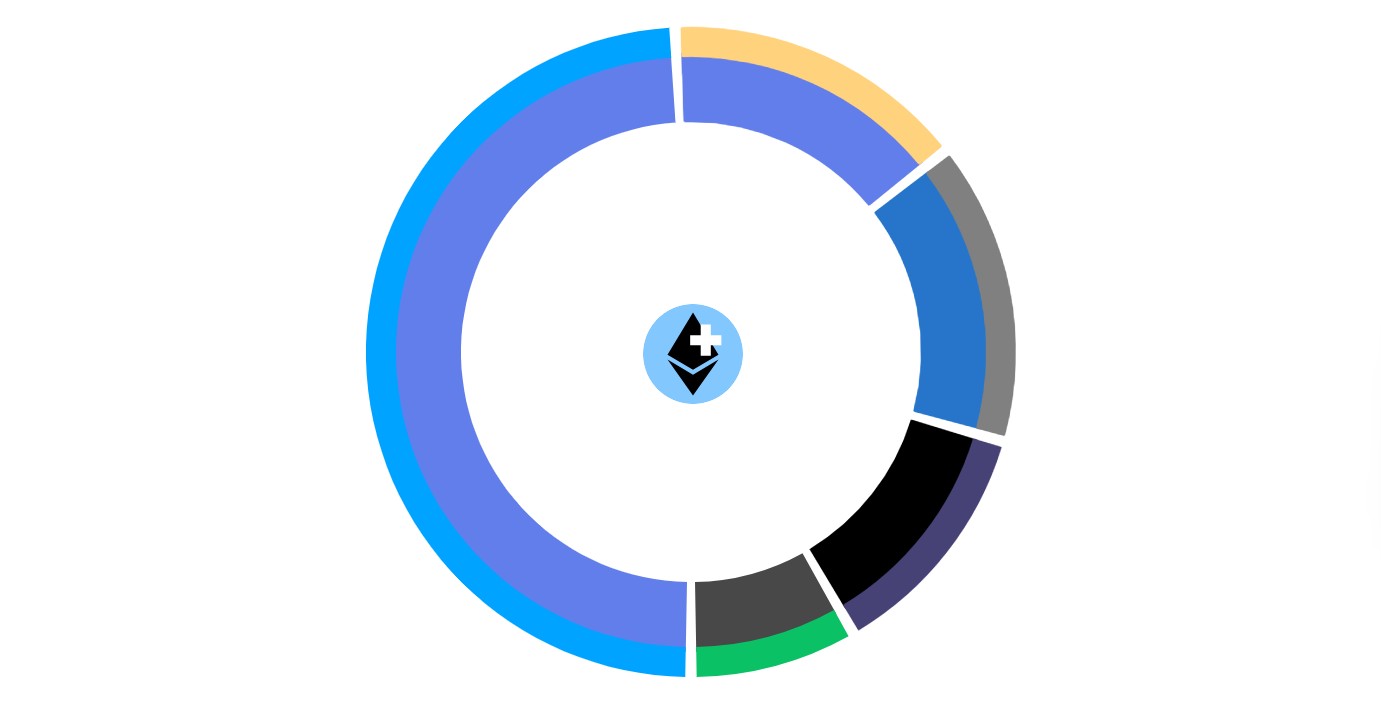
ETH+ is structured as a diversified basket of Ethereum staking and restaking derivatives. As an RToken, it is backed by a basket of yield-bearing collateral assets rather than a single staking provider. The rebalance reduces concentration risk inside that basket. Exposure to frxETH, for example, has fallen from 9.19% of its total value locked to 6.97%.
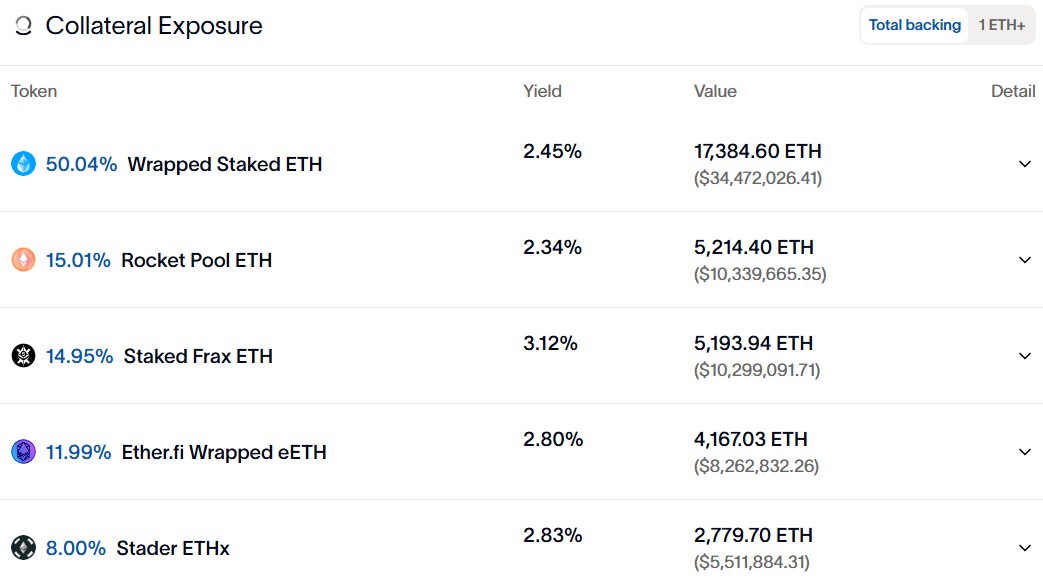
The team argues that liquidity improvements are not solely a function of basket optimization. Underlying liquidity in several constituent assets has also improved, and those gains compound at the basket level. That dynamic (how liquidity at the collateral layer aggregates into deeper mint and redemption capacity at the RToken layer) is central to the design.
Importantly, these changes were implemented without altering the stated yield target or diversification profile. ETH+ remains a diversified ETH-denominated yield product rather than a levered or actively managed strategy.
Next Up, Tulipa
Alongside the rebalance, ETH+ is expanding into structured DeFi integrations, with a new ETH+ vault launched on Lagoon, curated by Tulipa. The Tulipa ETH+ vault is a non-custodial, on-chain lending strategy that allows users to deploy ETH+ into a managed yield program rather than holding it passively.
This means users deposit ETH+ into the Lagoon vault, Tulipa allocates it across curated DeFi lending venues, and returns remain denominated in ETH while preserving exposure to ETH+’s underlying staking and restaking basket.

Tulipa previously curated the RockSolid rETH vault on Lagoon, which currently manages roughly $15 million in TVL, according to community figures. ETH+ backers say the partnership reduces the pain points for users who would otherwise have to source, monitor, and rebalance DeFi positions themselves. It may also improve yields if Tulipa is able to negotiate institutional rates or deploy capital at scale more efficiently than retail users.
By creating dedicated lending for ETH+, the Lagoon vault expands the token’s integration across DeFi. Instead of relying solely on decentralized exchange liquidity, ETH+ can circulate through managed lending strategies, potentially supporting deeper and more predictable liquidity conditions.
It also addresses what DeFi teams often describe as a “cold start” problem. New strategies frequently struggle to attract initial liquidity. A curated vault operator with capital relationships can allocate size from day one, accelerating adoption.
The Q1 rebalance indicates a focus on institutional-grade execution depth rather than headline APR, with slippage thresholds and redemption capacity offering more space for big players. An RToken that cannot be redeemed at size without moving the market is difficult to treat as a treasury asset or large allocator position.
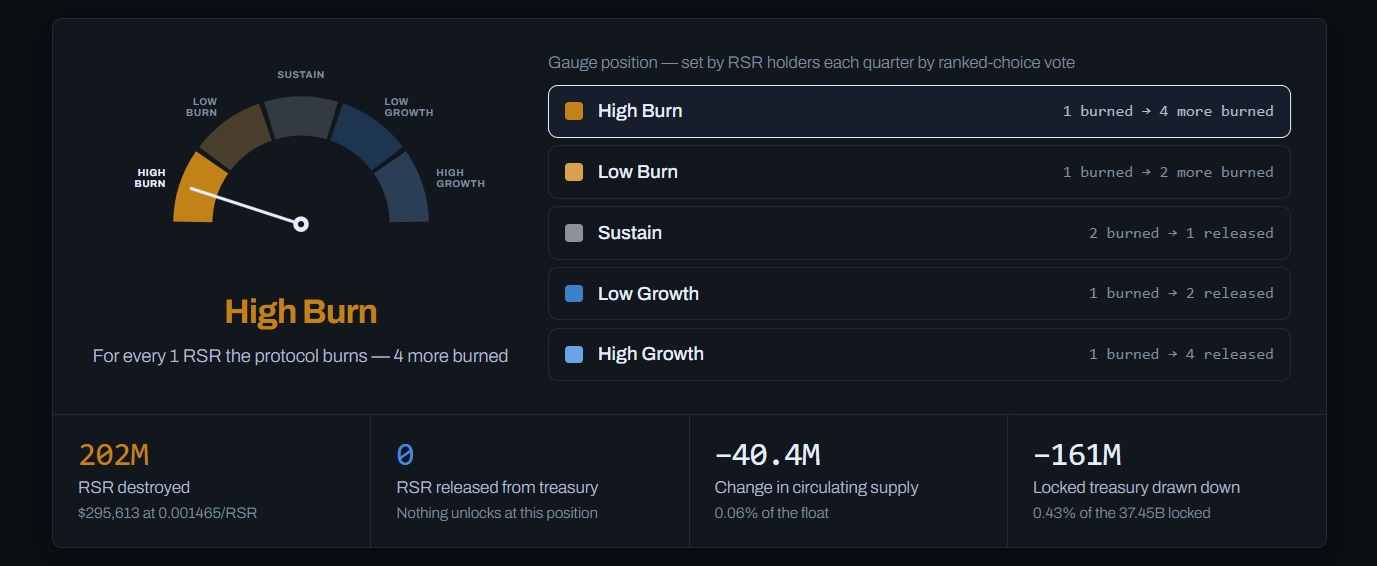
Community discussions are also underway regarding a revenue-share proposal from ABC Labs, though details have not yet been finalized publicly. That would add an “RSR burn” protocol fee for ETH+. Stay tuned, and we will explore that another time.
Source: Interview
Reserve News — Independent news about Reserve Protocol
Back to all articles