New Simulator Shows Reserve Protocol Growth Across 10,000 Possible Futures
By Matthew
A new community-built tool is giving Reserve Protocol users a way to stress-test the future.
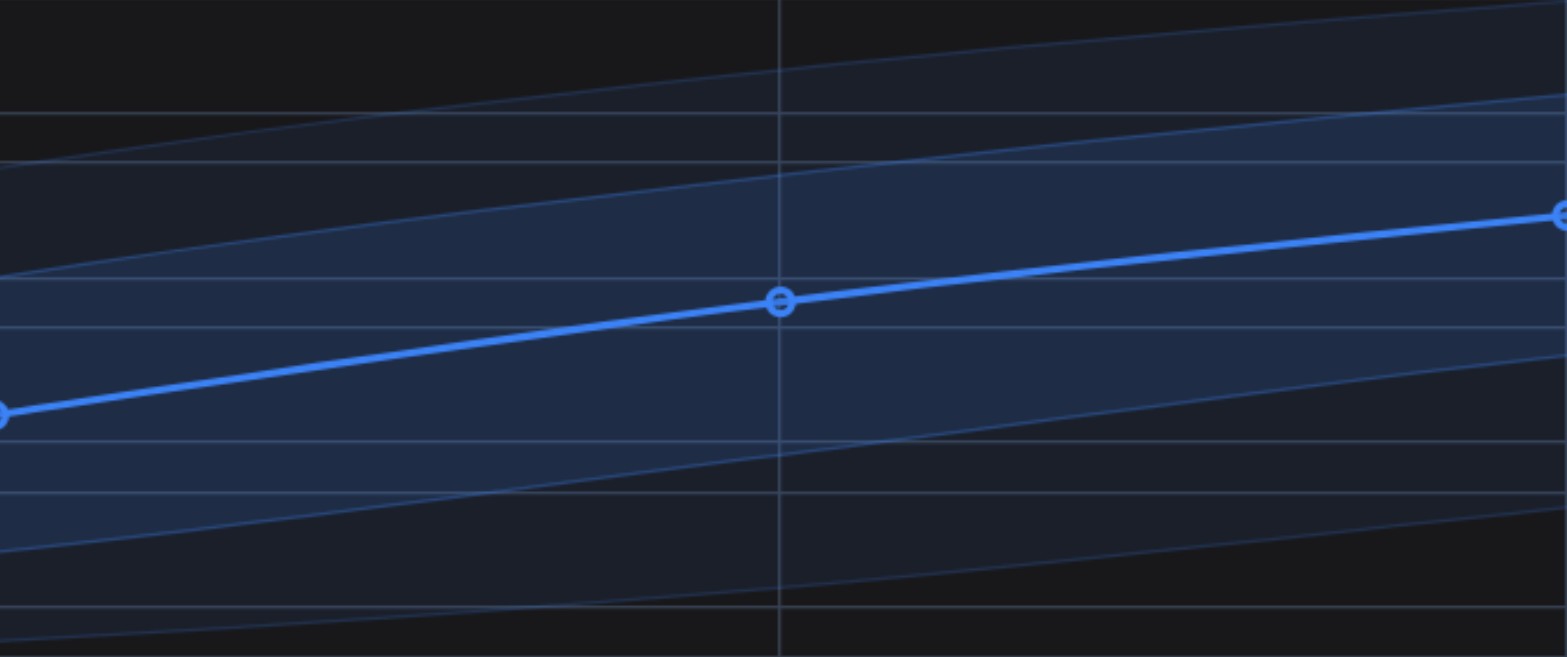
The Reserve Growth Simulator, now live at reservegrowth.app, is a fundamentals-based modeling tool that runs 10,000 simulated versions of the protocol’s trajectory. Instead of predicting a single outcome for TVL, RSR price, or token burns, it produces probability bands, showing a range of plausible futures based on configurable assumptions.
At its core is a Monte Carlo engine. Each simulation begins in a Bull, Neutral, or Bear regime and can move between them over time. TVL evolves differently depending on those regimes, for instance, Fees scale with TVL, and Revenue flows to RSR holders.
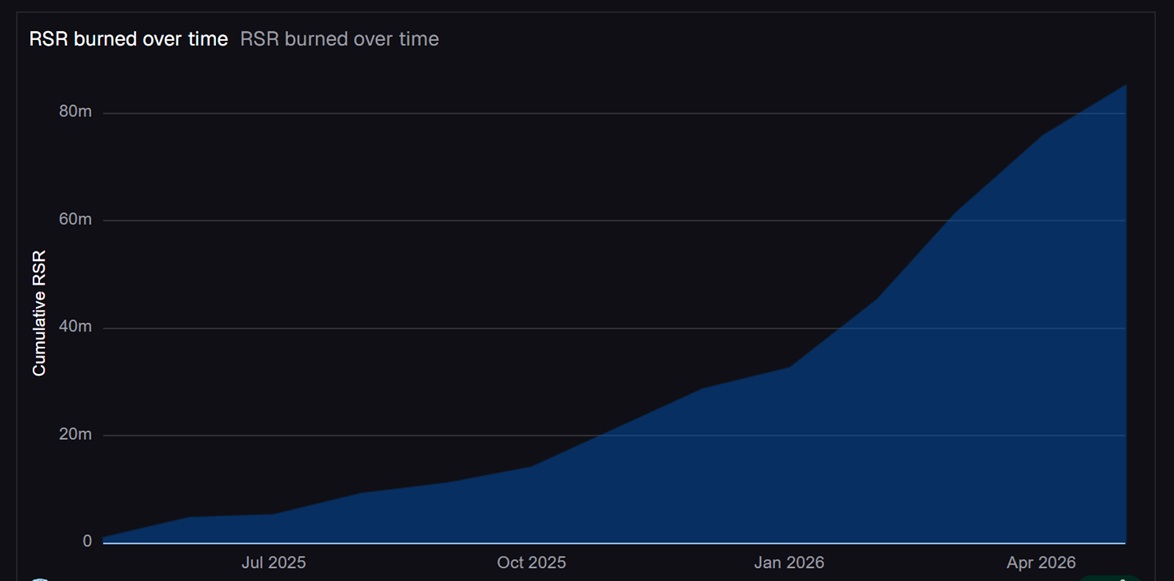
A valuation multiple, similar to a price-to-revenue ratio, translates fundamentals into an RSR token price. Supply changes are based on emissions and buyback-and-burn mechanics.
One key variable is product-market fit. Users can adjust the assumed probability that Reserve “breaks out” in a given year, accelerating growth and valuation multiples in the model. The simulator then reflects how that changes revenue, burns, and long-term supply.
The result is a price distribution, rather than a target.
Users can explore questions like:
- What happens if TVL growth stalls for three years?
- How sensitive is RSR price to valuation multiples?
- How much do burns matter relative to unlocks?
- What does a slow grind versus a sudden breakout look like?
The “Advanced” sidebar exposes all core assumptions, allowing you to inspect and tweak parameters rather than treating the output as a black box.
For long-term RSR holders, the tool, which was built by @0xd15c0, offers a way to sanity-check different ideas about the protocol. For stakers, it can help model yield sustainability. Meanwhile, for RSR governance participants, it provides a structured way to think about trade-offs, such as fee rates, burn intensity, or distribution incentives.
Instead of debating whether RSR "will" reach a certain number, users can talk in probabilities and conditions.
The model is not financial advice, and its outputs are only as good as its inputs. But as a framework for thinking about growth, it is fun to move on from vibes to variables.
Source: reservegrowth.app
Reserve News — Independent news about Reserve Protocol
Back to all articles