
Ugly Cash eUSD Balances Reach $15.7M as Reserve Finds Organic Stablecoin Growth
By Matthew
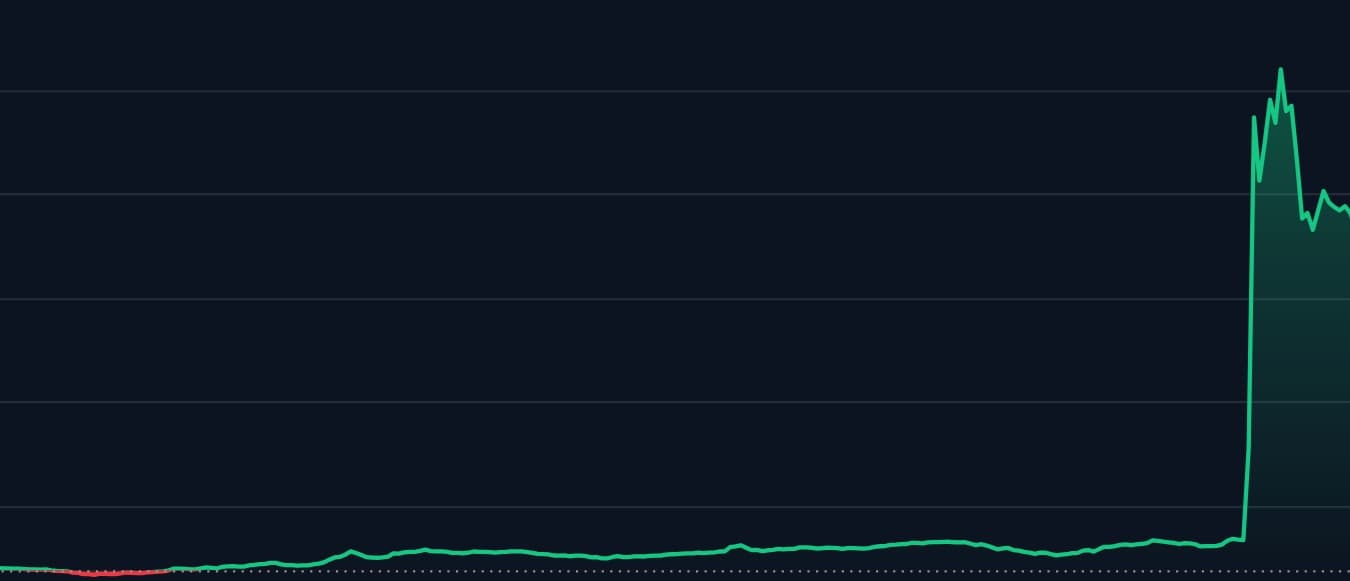
Ugly Cash users now hold $15.7 million in eUSD, up from roughly $784,000 in June 2024, giving Reserve one of its strongest examples yet of a product growing without the token incentives that previously supported much of its ecosystem.
Reserve co-founder Nevin Freeman highlighted the growth during the project's Q2 2026 community call on August 19. eUSD has also become Reserve's largest RToken by market capitalization, overtaking products whose deposits had historically been supported by incentives.
The protocol has spent the past year unwinding most of its incentive programs, accepting lower headline TVL in exchange for a clearer picture of which products retain users organically.
Ugly Cash Gives eUSD a Consumer Use Case
Ugly Cash is a consumer payments and savings app built around stablecoins. Reserve has funded its development and Freeman described it during the call as a "Reserve project" and a distribution property within the broader ecosystem.
At its center is eUSD, an overcollateralized dollar stablecoin built using the Reserve protocol. Rather than asking users to interact directly with DeFi infrastructure, Ugly Cash puts the stablecoin behind a conventional financial app.
That route to users is starting to show up in Reserve's numbers.
Ugly Cash balances have risen almost twentyfold from the $784,000 recorded in June 2024. Freeman said eUSD's growth has been driven substantially by Ugly Cash users, helping make the token the largest remaining source of market capitalization among Reserve's yield DTFs.
The growth has arrived as Reserve has deliberately reduced spending elsewhere.
During 2025, the ecosystem used incentives heavily to attract capital to several products. Reserve has since reversed that strategy - its current focus is revenue and activity that remain after those payments disappear, rather than maximizing TVL while subsidizing deposits.
That has produced falling numbers across parts of the ecosystem. Freeman said Reserve's combined token market capitalization fell to $46 million in Q2, while annualized gross revenue slipped below $600,000. The project expected much of the contraction as incentives were removed.
eUSD stands out against that backdrop because its Ugly Cash balances have continued to build.
There is also now a direct economic connection between that usage and RSR. Freeman said 10% of the yield generated by Ugly Cash eUSD balances goes to RSR stakers, while the remaining yield is directed elsewhere according to the product's revenue arrangements.
Ugly Cash Reopens in Venezuela
Ugly Cash has also recently reopened its service in Venezuela.
Freeman said during the Q&A that changing conditions had made operating in the country legally feasible again. Ugly Cash previously served Venezuelan users, and Reserve now hopes to rebuild its presence there.
The expansion gives Reserve another market in which to test whether the consumer app can continue growing beyond its existing user base.
It could eventually distribute more than eUSD.
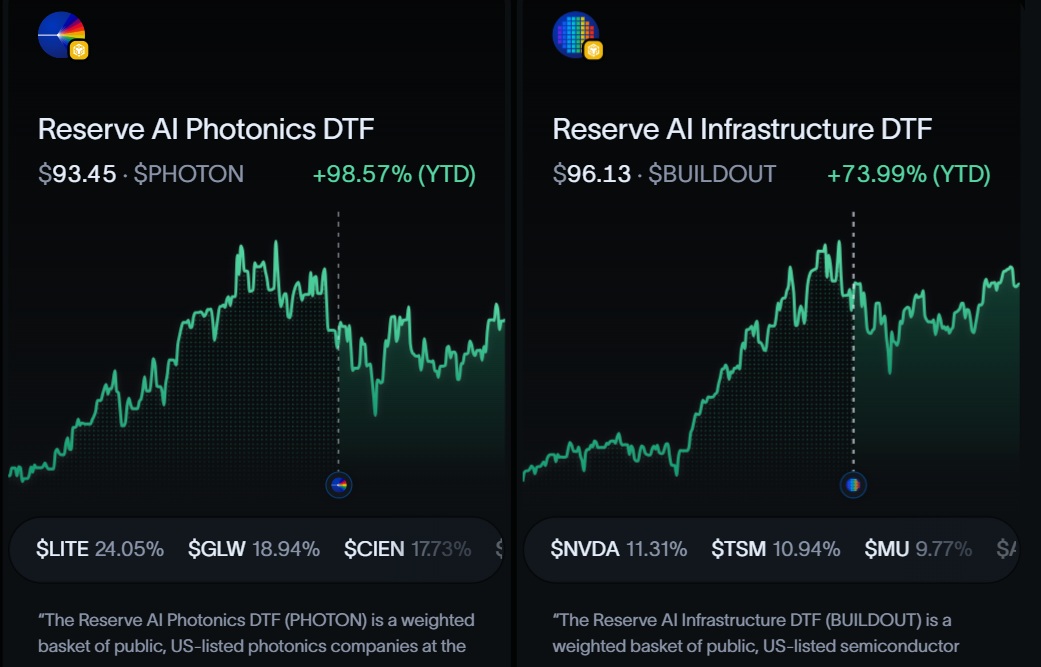
Reserve has begun asking Ugly Cash users about its recently launched AI-focused DTFs, which package tokenized equities around investment themes including artificial intelligence. The products currently operate on BNB Chain and aren't yet available through Ugly Cash, although Freeman said the team hopes they will be.
Early user research produced an interesting response. Some Ugly Cash customers were interested in the AI investment products but didn't want to leave the app, connect to an on-chain interface and buy them directly.
Many instead wanted to purchase the products through Ugly Cash itself.
That creates a potential second role for the app while Ugly Cash began as a way of putting stablecoin infrastructure behind a simpler consumer interface. If Reserve can eventually distribute DTFs through the same product, it could also become a retail entry point for the protocol's tokenized investment products.
For now, that remains prospective. The AI DTF integration isn't live, and Freeman acknowledged that not every Ugly Cash user interviewed understood or wanted the products.
Reserve spent much of 2025 experimenting with ways to attract capital to products built using its protocol. Ugly Cash is producing a different result: users are arriving through an application they actually use, with eUSD operating underneath it.
At $15.7 million, Ugly Cash remains small compared with mainstream consumer finance apps. For Reserve, however, its trajectory is more important than its absolute size. As incentives disappear across the rest of the ecosystem, eUSD is providing an early example of what Reserve has been looking for: capital that stays because users want the product rather than the reward attached to it.
Hear Reserve's full Community Call here on Roam
Reserve News — Independent news about Reserve Protocol
Back to all articles