
Reserve Nears Positive Net Revenue as Incentive Cuts Begin to Pay Off
By Matthew
Reserve’s push to strip incentives out of its DTF ecosystem is bringing the project close to positive net revenue, with its recurring economics improving quickly between the first two quarters of 2026.
Net annualized recurring revenue improved from negative $7.4 million in Q1 to negative $1.6 million in Q2, Reserve co-founder Nevin Freeman said during the project’s Q2 community call on August 19. Freeman expects another improvement in Q3 as the remaining incentive spending rolls off.
The shift comes with an tougher top line. Reserve’s combined token market capitalization fell to $46 million during Q2 and annualized gross revenue dropped below $600,000. Index DTF market capitalization also declined.
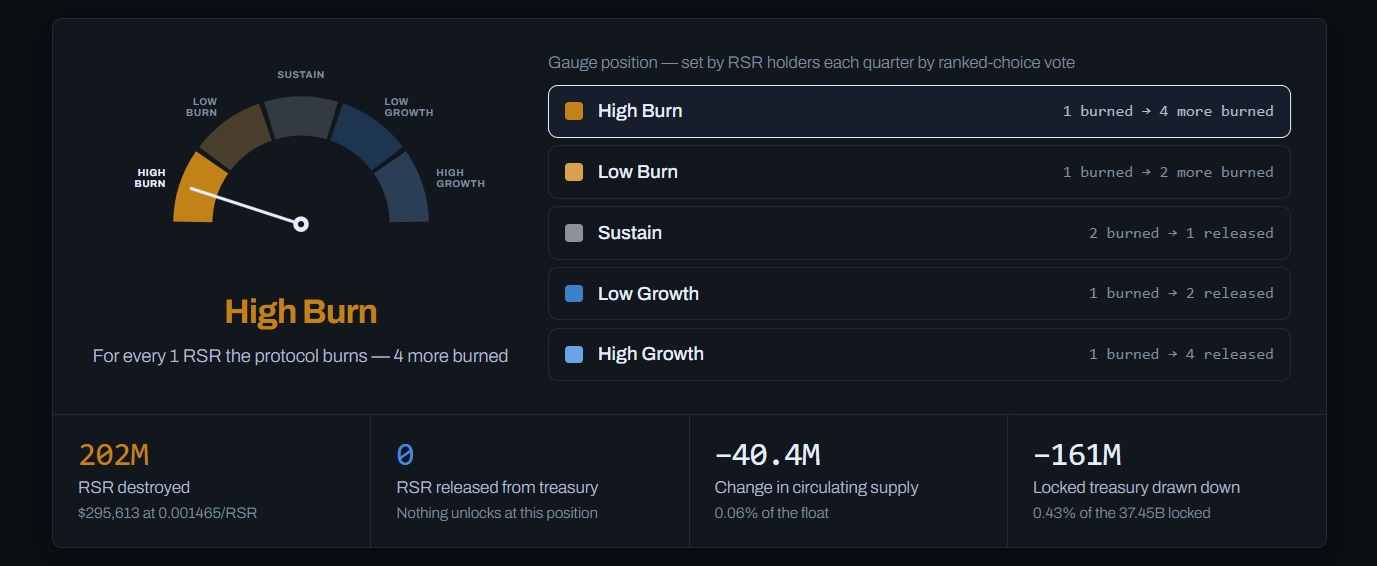
Reserve expected much of that contraction after deciding to wind down almost all incentives rather than continue paying to support deposits and liquidity.
Reserve Strips Out Incentives to Find Its Economic Baseline
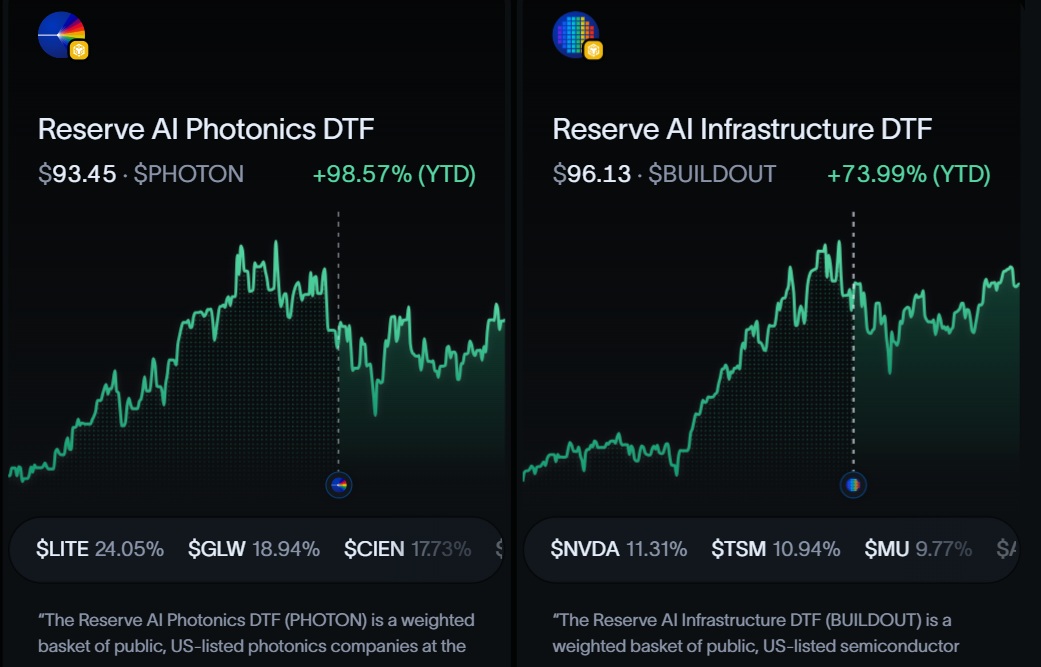
Reserve is a crypto protocol for creating asset-backed tokens, including Decentralized Token Folios, or DTFs. Its index DTFs package multiple assets into a single on-chain token, while yield DTFs are designed around income-generating collateral.
The project spent heavily on incentives during earlier periods to encourage adoption. Its current strategy is effectively a reset: cut those expenses and see how much activity remains when users are no longer being paid to provide it.
Freeman described it as a two-step plan: The first stage is reducing incentive spending, and the harder second stage is finding products capable of generating enough revenue without subsidies to push the ecosystem into positive territory.
Reserve’s net annualized recurring revenue metric is designed to measure that transition - for index DTFs, it annualizes average TVL fees and median minting fees over the preceding six months, removes revenue owed to external partners, and then deducts incentives.
Yield DTFs use a simpler calculation based on average gross revenue minus incentives.
Gross revenue alone can obscure what Reserve is spending to generate it. A DTF attracting capital through large incentives can produce fees while still losing money for the ecosystem.
That was particularly visible during 2025, as Freeman said quarterly net revenue was heavily negative when Reserve was spending aggressively on incentives. By Q2 2026, quarterly net revenue had narrowed to just negative $154,000.
There is still some old spending working its way through the six-month calculation. Freeman said that if CMC20 and ETH+ were removed from the latest figures, the remaining DTFs combined would already have produced a small positive result.
As those incentive costs continue to disappear, Reserve expects the overall recurring metric to become slightly positive in Q3.
Organic Revenue Becomes the Next Test for Reserve
Getting above zero would only complete the first part of Reserve’s strategy.
The project now needs growth from products that users choose without substantial financial inducements. That makes the composition of Reserve’s revenue increasingly important as incentive spending approaches its floor.
There are already pockets of activity surviving the cuts - Freeman noted that yield DTF market capitalization is now substantially driven by eUSD, Reserve’s dollar-backed stablecoin used by the Ugly Cash payments app.
Index DTF economics remain less predictable: TVL fees were relatively similar between Q1 and Q2, while minting fees dropped substantially. Minting activity depends partly on market volatility and arbitrage opportunities, making that revenue considerably less regular than fees collected against assets already held in DTFs.
Reserve therefore isn’t emerging from its incentive cuts with the growth question solved, but it is getting is a clearer view of the business underneath them.
That is quite a change from the position a year ago - capital attracted by incentives can demonstrate that a product works technically and seed liquidity, but it says less about whether users value it enough to remain once those payments stop.
Reserve is now getting that answer product by product.
Q3 Could Mark the Turn
Reserve’s next quarterly figures should provide the cleanest test yet of the strategy.
The project has already absorbed much of the contraction caused by removing incentives. Its trailing net annualized recurring revenue deficit has fallen by almost $6 million between the Q1 and Q2 readings, and the remaining incentive drag is continuing to decline.
Turning slightly positive in Q3 would not by itself establish product-market fit at scale. It would establish something more basic that Reserve has spent the past year trying to uncover: an ecosystem that is no longer losing money simply to keep its existing economic activity running.
From there, the problem changes. Reserve no longer needs to ask how much activity survives without subsidies. It needs to find out how quickly the part that survived can grow.
Reserve News — Independent news about Reserve Protocol
Back to all articles